
Understanding Sciatica: What Causes It and How to Find Relief
Sciatica can cause radiating pain that affects daily life. Learn what triggers it, why it happens, and how gentle chiropractic care can help bring lasting relief.
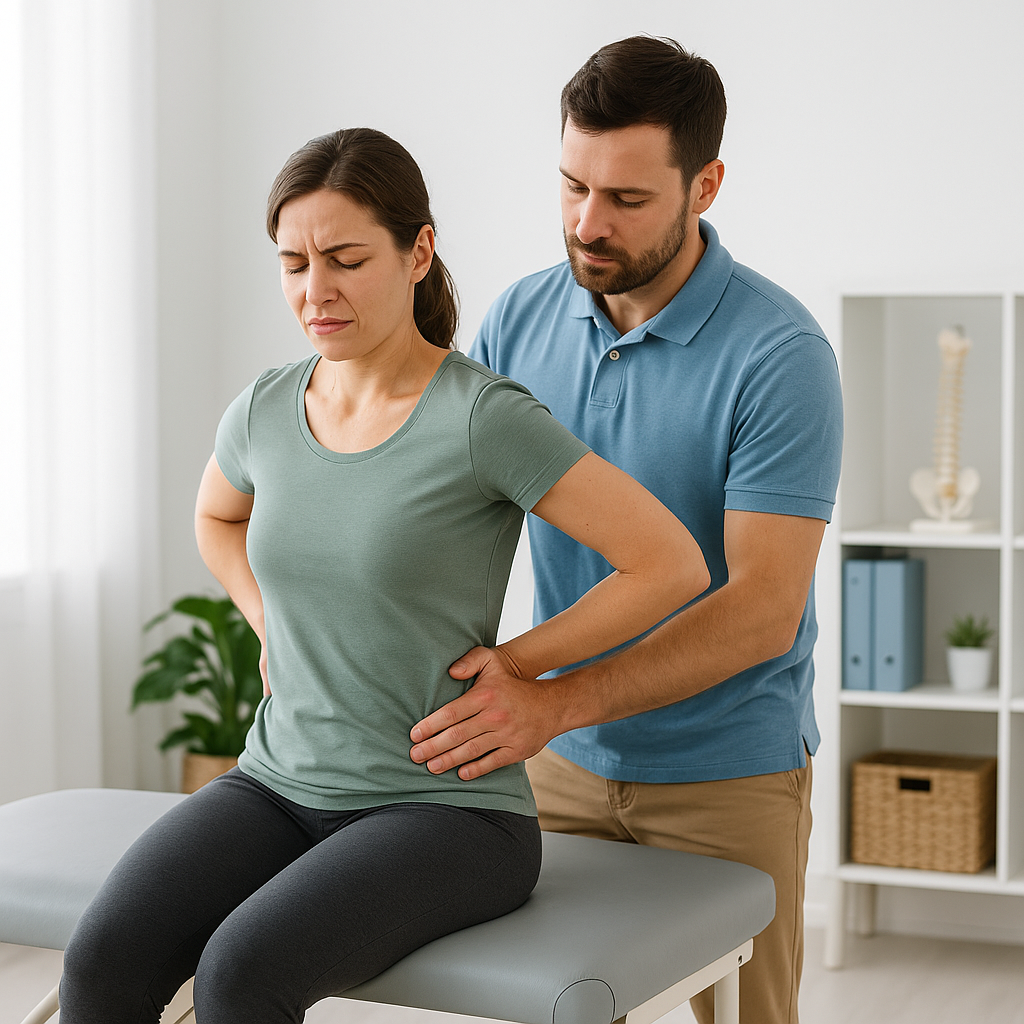
A chiropractor gently adjusts a patient’s lower back in a modern clinic, both centered in frame.
If you’ve been searching for sciatica relief in Columbus, you’re not alone. Sciatica is one of the most common causes of lower-back and leg pain, often described as a sharp, radiating discomfort that travels from the spine down one side of the body. This pain is not a condition itself—it’s a sign that your sciatic nerve, the largest nerve in your body, is under pressure. Understanding what causes that pressure and how to address it naturally can make a major difference in how quickly you recover and how well you move each day.
What Is Sciatica?
Sciatica describes pain that follows the path of the sciatic nerve, which runs from the lower spine through the hips and down each leg. It typically develops when the nerve becomes compressed or irritated by a herniated disc, bone spur, or tight muscles around the lower back or glutes. This compression can create pain, tingling, or numbness that worsens when you sit or stay in one position for too long. Because sciatica is a symptom rather than a standalone diagnosis, identifying the source of irritation is essential. Chiropractors in Columbus specialize in assessing spinal alignment and muscle tension to find the underlying cause of nerve pressure, helping patients experience lasting relief through gentle, non-invasive care.
Common Causes of Sciatic Nerve Pain
Everyday habits often play a major role in sciatica flare-ups. Prolonged sitting, repetitive bending, poor posture, and even stress can all increase tension in the lower back. Over time, that tension may lead to inflammation or compression that affects the sciatic nerve. Old injuries, muscle imbalances, or weak core support can make the problem worse. Chiropractors focus on restoring alignment and balance within the spine, which reduces strain on nearby nerves. Combined with stretching and mobility exercises, regular chiropractic adjustments can help prevent future episodes of sciatic pain and improve overall spinal health.
Signs You May Be Experiencing Sciatica
Sciatica can feel different for everyone, but classic symptoms include sharp or burning pain in the lower back, hip, or leg—usually on one side. Some people also experience numbness, weakness, or tingling that makes it difficult to stand, walk, or sit comfortably. When these symptoms persist for more than a few days or grow more intense, professional evaluation is important. A licensed chiropractor can determine whether the pain stems from nerve compression, joint restriction, or muscular tension, and then develop a personalized plan to relieve the pressure and restore normal function.
How Chiropractic Care Supports Sciatica Relief
Chiropractic care offers a safe, medication-free way to reduce sciatic nerve compression and restore spinal alignment. Using precise adjustments, a chiropractor can relieve joint restrictions and improve the movement of the spine and hips. Many patients in Columbus report that after just a few sessions, pain and inflammation decrease while flexibility and comfort return. Chiropractic care addresses the root cause of nerve irritation instead of masking symptoms. In addition, chiropractors often teach at-home stretches, posture corrections, and ergonomic adjustments that support continued healing and help prevent future flare-ups.
Lifestyle Tips to Prevent Sciatica from Returning
Relief doesn’t stop once your pain fades—maintaining a healthy spine through daily habits is key to preventing sciatica from coming back. Stand up and stretch regularly if your job requires sitting, strengthen your core muscles, and practice gentle yoga or low-impact exercise to keep the lower back flexible. Staying hydrated and using a supportive mattress can also reduce strain on the spine. Many people in Columbus schedule periodic chiropractic check-ups to maintain alignment and catch early signs of tension before they become painful. Small, consistent habits make the biggest difference in protecting long-term mobility. To keep your spine strong and reduce future sciatic flare-ups, try building small daily routines that promote flexibility and balance – see our guide to daily habits that support a healthy spine.
When to Seek Professional Help
While mild sciatica sometimes improves with rest and movement, recurring or worsening pain should never be ignored. If you notice ongoing weakness, numbness, or limited range of motion, it’s time to consult a chiropractor. Early intervention can prevent nerve irritation from turning into chronic pain and can restore your body’s natural ability to move and heal comfortably.
Take the Next Step Toward Lasting Relief
You don’t have to live with ongoing sciatic pain. Understanding what causes sciatica and how to find relief is the first step toward regaining control of your health. Chiropractic care offers a natural, effective way to reduce inflammation, restore alignment, and support long-term mobility. If you’re seeking gentle, drug-free sciatica treatment in Columbus, scheduling a consultation with a licensed chiropractor can help you start moving freely again.


